The Unfolding Crisis: How Dysfunctional SA Municipalities Are Killing Small Businesses & Service Delivery
South Africa's local government system, intended to be the frontline of service delivery and local economic development, is in a state of severe crisis. Across the nation, a growing number of failing municipalities are not merely struggling; they are actively undermining the very foundations of community well-being and economic prosperity. This systemic collapse, driven by pervasive ethical breaches, financial mismanagement, and a fundamental breakdown in accountability, has far-reaching and often devastating consequences, particularly for the small businesses that are the lifeblood of local economies and the citizens dependent on basic services.The Rot at the Core: Understanding Municipal Dysfunction in South Africa
The challenges facing South African municipalities are multifaceted and deeply entrenched. A discussion document from the Department of Cooperative Governance, part of the review of the White Paper on Local Government, paints a stark picture: "unethical practices, poor accountability, a broken social contract with communities and the weak integration of traditional governance systems" are rampant. This isn't just about inefficiency; it's about a deliberate subversion of good governance. The document highlights how "manipulation and methods aimed at maintaining power and/or rapid enrichment have spread, resulting in corrupt, nepotistic, and unethical activities within municipalities." Many political leaders, it notes, have "continued to turn a blind eye to these practices, especially when municipal resources have been used and abused to fund party political operations and campaigns." This translates directly into ratepayers' money being splurged on luxury vehicles for staff while essential infrastructure crumbles. The Auditor-General's Municipal Finance Management Act (MFMA) reports consistently corroborate this narrative of widespread failure. Year after year, these national audits reveal a grim truth: only a handful of municipalities achieve clean audits, which signify sound financial and performance management. For example, in the 2021-22 report assessing 166 local municipalities, a mere 18 received a clean audit. Disturbingly, 12 were given "disclaimed audits," meaning they lacked proper accounting records to support their financial statements – a clear indicator of little to no accountability, transparency, or integrity. The vast majority – 136 – demonstrated some form of irregularity or failure, including late or non-submission of financial statements. This persistent pattern of poor performance underscores the deep-seated nature of the crisis among failing municipalities. Adding to this complex web of issues is the strained relationship between municipalities and their communities. The colossal R230.5 billion owed to municipalities by households as of 2024 is a telling indicator of a "broken social contract." Citizens, feeling neglected and underserved, are increasingly unwilling or unable to pay for services they perceive as non-existent or substandard.A Crippling Blow to Small Businesses: More Than Just Potholes
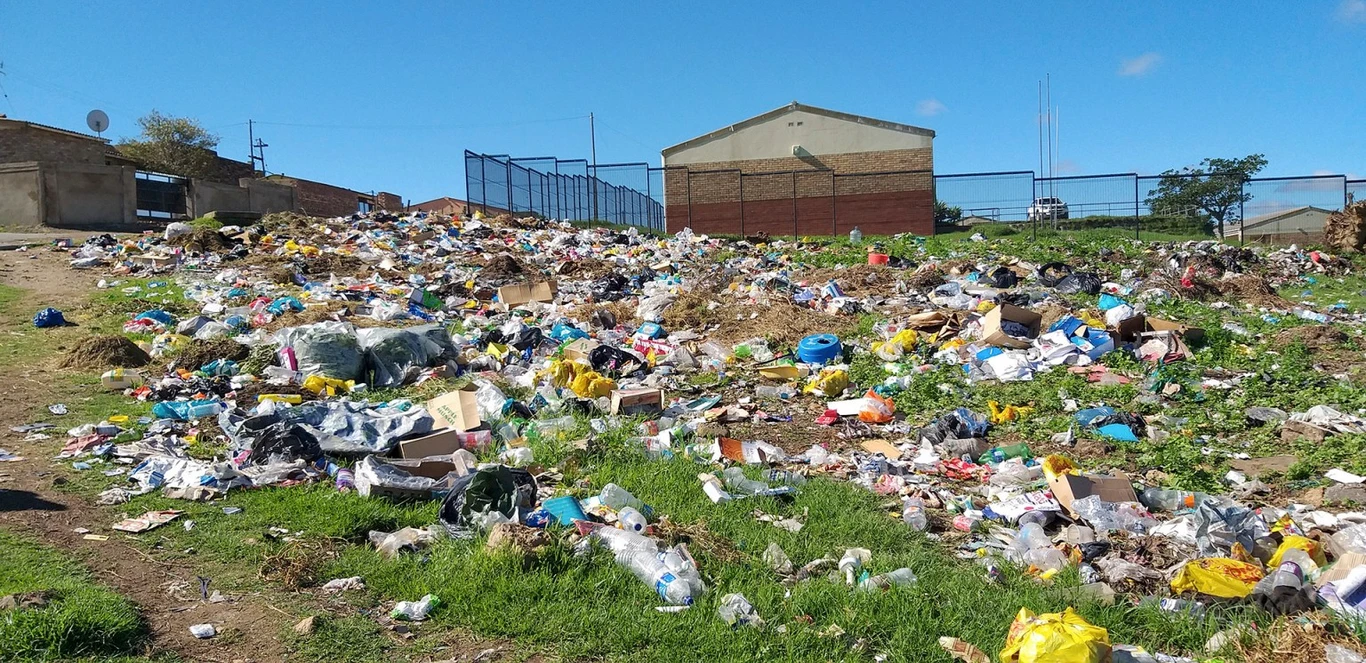
While images of sewage gushing down streets and uncollected refuse piles might immediately bring to mind residential woes, the impact of these dysfunctional municipalities on small businesses is profound and often existential. Small and medium-sized enterprises (SMEs) are particularly vulnerable as they lack the resources and buffer that larger corporations might have to mitigate such challenges.Service Delivery Failures: The Operational Nightmare
- Unreliable Infrastructure: Businesses rely heavily on stable electricity, water, and well-maintained roads. Constant power outages, exacerbated by municipal distribution failures, necessitate expensive generators and fuel, driving up operational costs and causing production losses. Intermittent water supply or contaminated water directly impacts industries from hospitality to manufacturing, often leading to temporary closures or health risks.
- Crumbling Roads: Poor road conditions increase transportation costs, damage delivery vehicles, and make it difficult for customers to access premises. This can deter investment and force businesses to relocate, further eroding the local economic base.
- Waste Management: Inadequate waste collection leads to unhygienic conditions, health hazards, and a general decline in the aesthetic appeal of business districts, driving away customers and skilled labour.
- Delayed Permits and Approvals: Bureaucratic inefficiency, corruption, and a lack of skilled personnel in municipal planning departments lead to lengthy delays in business registrations, operating licenses, and zoning approvals. These delays stifle innovation, prevent expansion, and create significant barriers to entry for new entrepreneurs.
Financial Mismanagement and Corruption: The Economic Drain
Beyond service delivery, the financial mismanagement within failing municipalities directly impacts businesses:
- Incorrect Billing and Disputes: Small businesses often face erroneous utility bills, with inflated charges or incorrect tariffs. Rectifying these issues can be a time-consuming and frustrating battle against an unresponsive bureaucracy, often forcing businesses to pay exorbitant amounts or face disconnections.
- Delayed Payments to Suppliers: Many small businesses act as suppliers or contractors to municipalities. Delays in payments, often stretching for months or even years, cripple their cash flow, leading to bankruptcies and job losses.
- Diversion of Funds: Monies earmarked for local economic development initiatives, infrastructure upgrades, or business support programmes are often mismanaged or diverted, leaving SMEs without crucial support.
The cumulative effect is a toxic environment where innovation is stifled, growth is curtailed, and the very act of doing business becomes an arduous struggle against a system designed to serve, but which instead impedes. This uncertainty deters new investments, leading to a downward spiral of job losses, reduced local tax revenues, and deepening poverty.
Beyond the Basics: The Erosion of Service Delivery for Communities
The impact of dysfunctional local government extends far beyond economic figures; it strikes at the heart of community life and basic human dignity. For citizens, the consequences are immediate and often dire. Unreliable electricity and water are not mere inconveniences; they disrupt daily life, compromise health, and create a pervasive sense of insecurity. Children struggle to study without electricity, households cannot maintain hygiene without water, and public spaces become unsafe due to poor lighting and unmanaged waste. Sewage spills, a frequent occurrence in many areas, pose severe public health risks, spreading diseases and polluting local environments. Uncollected refuse attracts pests, contributes to foul odours, and degrades the living conditions for residents. Crumbling roads lead to increased accident rates, longer commutes, and isolation for communities that become difficult to access. This constant state of neglect erodes the social contract, fostering deep-seated resentment and a sense of disempowerment. When communities perceive that their taxes are not being translated into tangible services, trust in government diminishes, often leading to protests and social unrest. This cycle of dysfunction and public dissatisfaction further complicates any attempts at reform or community engagement, leaving both residents and businesses in a perpetual state of limbo.Navigating the Crisis: Strategies for Businesses and the Path Forward
Practical Tips for Small Businesses:
- Contingency Planning: Invest in backup power (generators, solar solutions) and water storage where feasible. This is a significant upfront cost but can ensure business continuity.
- Join Forces: Engage with local business chambers, ratepayers' associations, and community forums. Collective action and advocacy often carry more weight than individual complaints. Document issues thoroughly.
- Diversify and Adapt: Explore ways to reduce reliance on municipal services. For instance, if internet connectivity is poor, consider satellite options.
- Due Diligence: For new businesses or expansions, thoroughly research the local municipality's performance and track record before committing significant resources.
- Engage with Transparency: While frustrating, maintain open channels of communication with municipal officials, documenting every interaction and escalating issues through formal channels.
Systemic Solutions and the Path Forward:
The review of the White Paper on Local Government signals a recognition of the severity of the problem. Proposed solutions include a re-examination of municipal funding models and even the potential closure of municipalities that are persistently failing to provide services. Fundamentally, however, the long-term solution lies in:
- Strengthening Accountability: Implementing robust oversight mechanisms and ensuring that corrupt officials face consequences, rather than impunity.
- Ethical Leadership: Fostering a culture of integrity and public service, free from nepotism and political interference in administrative duties.
- Capacity Building: Investing in skills development and professionalisation of municipal staff across all departments.
- Re-establishing the Social Contract: Municipalities must earn back the trust of citizens by delivering basic services effectively and engaging transparently.
The crisis of failing municipalities demands urgent and decisive action. For a deeper understanding of the financial and governance issues, consider reading Unpacking SA's Municipal Meltdown: From Poor Audits to R230.5 Billion Debt, and for insights into the reform efforts, check out SA Local Government Reform: Addressing Widespread Failure and Corruption.
The ongoing dysfunction in South Africa’s local government is a critical national challenge. It is not merely an administrative issue but a fundamental threat to the country's economic stability, social cohesion, and the well-being of its citizens. Only through sustained political will, aggressive anti-corruption measures, and a renewed commitment to good governance can these failing municipalities be transformed into functional engines of progress, capable of supporting small businesses and delivering the essential services that communities so desperately need and deserve.